
1. When Cleanliness Is a Matter of Public Trust
You arrive at a busy community center for your daughter’s recital. The lobby’s pastel walls brighten the space but you pause at dusty vents, scuffed baseboards, and streaked windows. In public venues from schools and hospitals to libraries and municipal halls every speck of debris or smudge speaks volumes about safety and care.
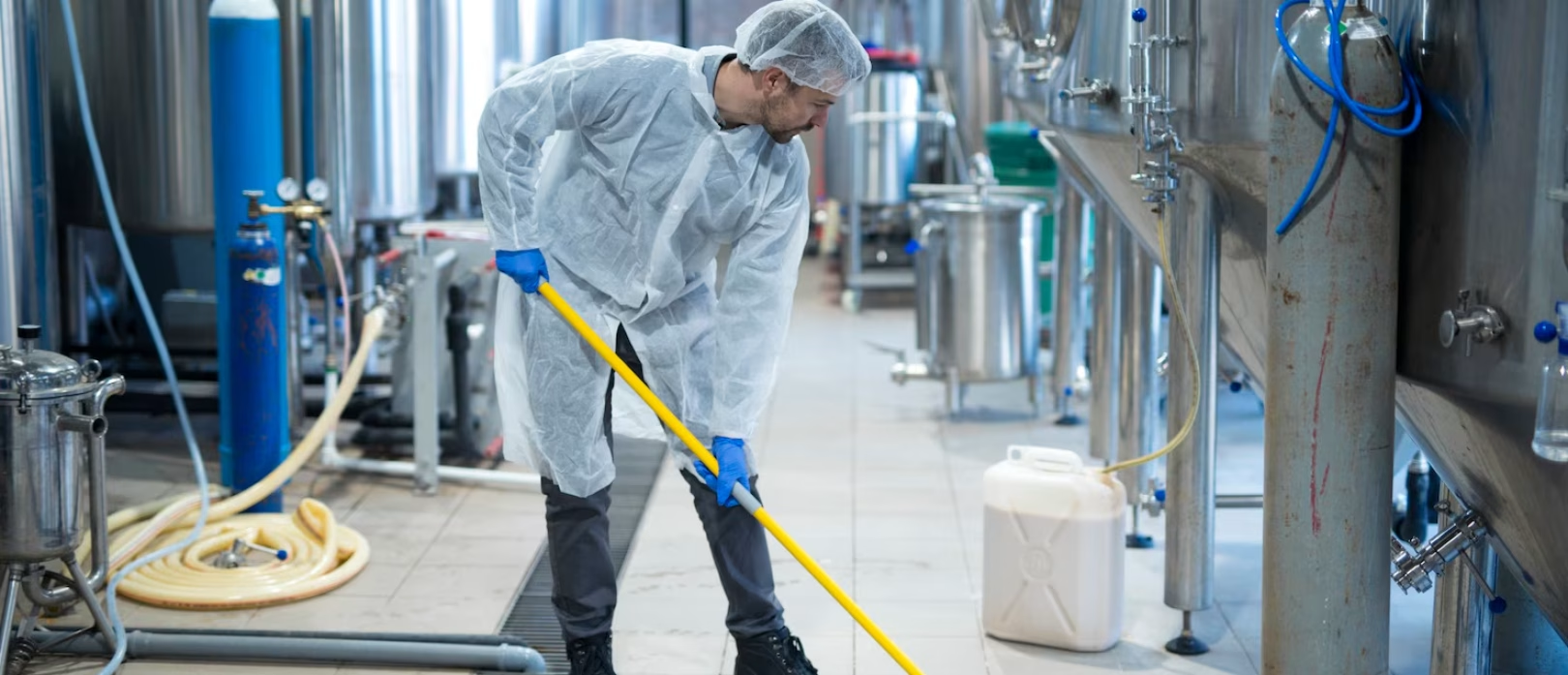
Proper industrial cleaning goes beyond a surface sweep. It’s about creating environments where visitors feel secure, staff can focus on their work, and equipment lasts longer.
2. The Hidden Hazards of Public Spaces
High-traffic public venues create a perfect storm for safety risks:
- Microbial hotspots. Restroom floors, cafeteria tables, elevator buttons and handrails harbour bacteria, viruses and fungi and can spread illness rapidly.
- Airborne contaminants. Dust from ceiling tiles, renovation residues or neglected ductwork worsens air quality, aggravating asthma and allergies.
- Slip-and-fall dangers. Spills in lobbies, wet entryways and accumulated leaf debris at entrances increase accident potential.
- Surface deterioration. Grit and grime ground into carpets, dull hardwood floors and corrode metal fixtures create trip hazards and mean sooner-than-planned replacements.
A middle school in Barrie noticed students slipping in hallways and complaining of musty air after routine cleaning. A targeted deep clean power washing main corridors, thorough glass-and-window cleaning, and carpet steam treatment eliminated moisture build-up, improved traction, and brought air-quality readings back to healthy levels. Over the next term, incident reports dropped to zero.
3. Compliance Isn’t Just Paperwork
Meeting regulations often means more than displaying a clearance certificate it means proving through action that your facility is truly safe. Industrial cleaning services help you:
- Meet inspection standards. Clean vents, floors and restrooms to satisfy health-and-safety walkthroughs.
- Protect vulnerable populations. Hospitals, daycares and senior centres rely on spotless environments to reduce infection risks.
- Demonstrate due diligence. When your maintenance records and inspection logs show consistent professional cleaning, you’ve built a clear audit trail.
By scheduling deep-clean cycles before audits, you avoid last-minute scrambles and ensure that every corner, from window seals to HVAC intakes, passes muster.
4. Core Services for Public-Space Compliance
A full public-space sanitation strategy layers multiple specialized service:
- Power Washing
- Use case: Exterior entrances, courtyards, gymnasium floors
- Benefit: Eliminates ground-in grime, algae and pollutants that create slip hazards
- Glass & Window Cleaning
- Use case: Lobby façades, skylights, display cases
- Benefit: Removes streaks, fingerprints and mould build-up, improving natural light and visibility
- Carpet Steam Cleaning
- Use case: Reception areas, corridors, waiting rooms
- Benefit: Extracts embedded allergens and bacteria, extending carpet life and enhancing indoor air quality
- Floor Refinishing
- Use case: Hardwood corridors, vinyl-tile classrooms, concrete basements
- Benefit: Restores protective sealants and removes surface scratches, preventing moisture ingress and further wear
- Debris Recycling
- Use case: Post-construction or renovation projects
- Benefit: Proper disposal of wood, drywall, masonry and landscaping waste, avoiding environmental hazards and clutter
Each service addresses a specific risk: power washing clears soils that block drains; glass cleaning maintains safety-signage clarity; steam extraction neutralizes pathogens; refinishing seals surfaces; and debris recycling keeps waste out of public areas.
5. Measuring Success: Metrics & Feedback
Accountability means tracking outcomes, not just checking boxes:
- Incident trends. Compare slip-and-fall reports before and after cleaning cycles, public spaces should see a clear drop.
- Air-quality readings. Measure particulate levels pre- and post-vent or carpet treatments. Improved numbers validate your approach.
- Surface‐swab tests. Random microbial checks on restrooms or cafeteria areas demonstrate sanitation effectiveness.
- Visitor surveys. Quick feedback kiosks or online polls capture public perception of cleanliness. Higher satisfaction correlates with fewer complaints and stronger community trust.
A Barrie community center added a “Clean Space Confidence” QR code in its lobby. After their first deep clean, 92% of respondents reported feeling “very safe”, up from 68% the previous year, leading them to expand after-school programming and host larger events.
6. Best Practices for Ongoing Compliance
Keeping public-space sanitation at peak requires continuous effort:
- Quarterly deep-clean rotations. Schedule power washing, intensive glass cleaning and carpet steam treatments on a regular cycle.
- Tie cleaning to maintenance. Align floor refinishing and debris recycling with seasonal upgrades or renovation projects.
- Document everything. Maintain logs of service dates, inspection checklists and before-and-after metrics. A clear record protects you in case of inquiries.
- Empower on-site staff. Train teams on interim upkeep such as spot-wipe protocols, spill management and basic inspections between professional visits.
7. Conclusion & Next Steps
Public-space sanitation is more than a chore—it’s a promise of safety and trust. An integrated industrial cleaning program—power washing exterior areas, glass and window cleaning, carpet steam extraction, floor refinishing and proper debris recycling—keeps facilities healthy, compliant and welcoming.
- Audit your current program against the core services above.
- Schedule seasonal deep cleans to cover every zone.
- Track your metrics and solicit visitor feedback to demonstrate continuous improvement.
When public trust is on the line, a spotless environment speaks louder than any certification.